Roof Coating Application for Commercial and Industrial Properties Nationwide
Cut Edge Corrosion in Coastal vs Inland Locations
Cut edge corrosion is one of the most common issues affecting ageing profiled metal roof sheets and wall cladding across the UK. While the underlying mechanism is always the same, coating breakdown at the sheet edge leading to exposure, oxidation, and eventual delamination, the rate and severity of corrosion can vary dramatically depending on where a building is located. Coastal environments, inland industrial zones, and rural areas each present unique challenges that influence how quickly cut edge corrosion develops and how urgently it must be addressed.
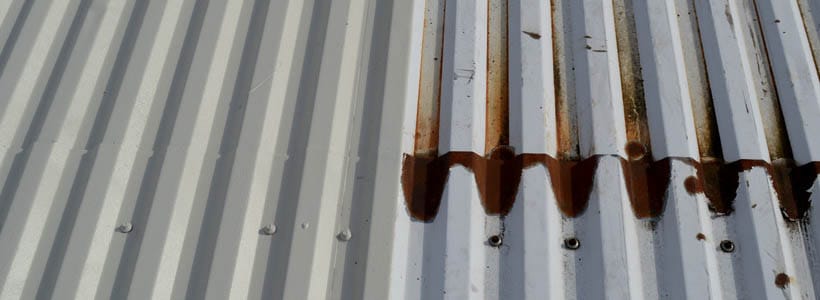
Understanding these environmental differences is essential for property owners and facilities managers who want to protect their buildings, plan maintenance effectively, and avoid costly roof sheet replacement. This article explores how location affects corrosion progression and what you can do to mitigate the risks.
Coastal Locations: High-Risk Zones for Accelerated Corrosion
Buildings situated near the coast face some of the harshest conditions for metal roof and cladding systems. Salt-laden air, high winds, and persistent moisture create an environment where protective coatings deteriorate far more quickly than they do inland.
Salt Exposure and Coating Breakdown
Salt is highly corrosive to steel, even when protected by factory-applied coatings. In coastal areas, airborne salt particles settle on roof sheets and cladding surfaces. Over time, these particles penetrate micro-cracks in the coating, accelerating the breakdown of the protective layer. Once the sheet edge is exposed, corrosion progresses rapidly.
Salt also attracts moisture, meaning roof sheets in coastal zones remain damp for longer periods. This extended wetness increases the likelihood of oxidation at the cut edge and speeds up delamination.
Wind-Driven Abrasion
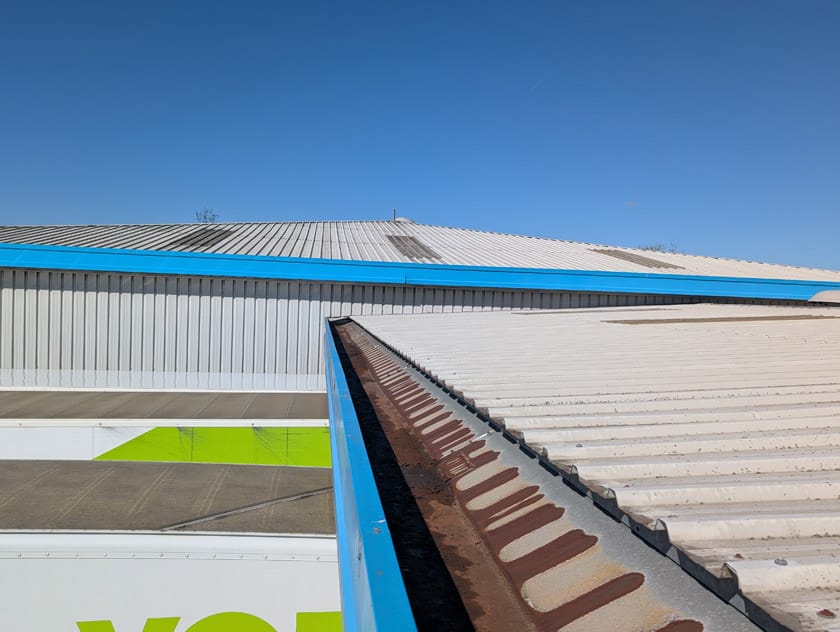
Coastal winds carry sand, salt crystals, and other abrasive particles. These can erode coatings at sheet laps and edges, especially on older roofs where flexibility has already reduced. The constant mechanical wear contributes to early coating failure and faster corrosion spread.
Higher UV Exposure
Many coastal areas experience stronger sunlight and higher UV levels. UV radiation degrades paint systems over time, making them more brittle and prone to cracking. Once cracks appear at the sheet edge, corrosion has a direct pathway to the steel substrate.
What This Means for Coastal Property
- Expect cut edge corrosion to appear earlier than inland.
- Treatment systems must be highly flexible and UV-resistant.
- Maintenance cycles are shorter and inspections every 12 months are recommended.
- Delaying treatment can lead to full sheet replacement far sooner than expected.
Inland Locations: Industrial Pollution and Weather Extremes
While inland buildings may not face salt exposure, they are not immune to accelerated corrosion. Industrial zones, distribution centres, and older commercial estates often experience environmental conditions that are equally damaging.
Industrial Pollutants
Factories, processing plants, and heavy transport routes release pollutants that settle on roof sheets. Chemicals such as sulphur dioxide and nitrogen oxides can react with moisture to form acidic deposits. These weaken protective coatings and increase the likelihood of corrosion at sheet edges.
Industrial dust and debris also accumulate on roofs, especially around sheet laps. When combined with moisture, this debris traps water against the metal surface, creating ideal conditions for corrosion to develop.
Freeze–Thaw Cycles
Inland areas, particularly those further north or at higher elevations, experience more frequent freeze–thaw cycles. When water enters small cracks at the sheet edge and freezes, it expands, widening the damage. Repeated cycles cause coatings to lift and delaminate, exposing the steel beneath.
Standing Water and Drainage Issues
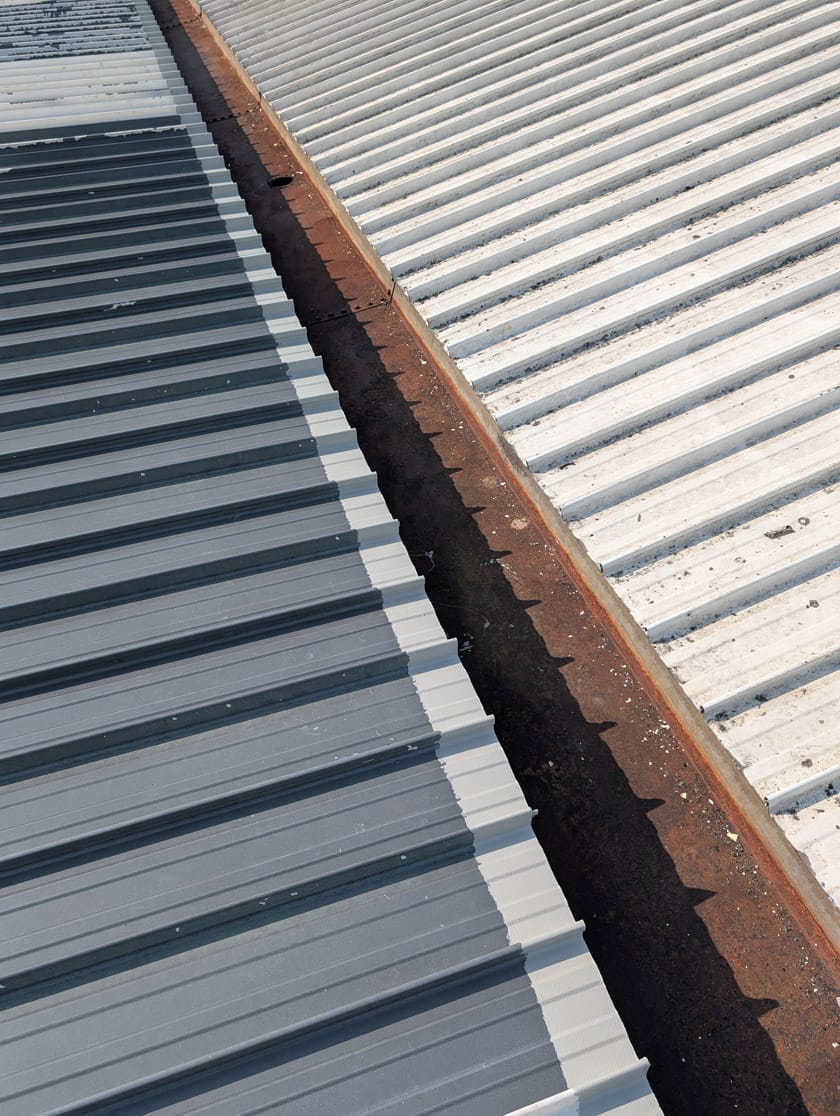
Many inland industrial estates have large, low-pitch roofs where standing water is common. Water pooling around sheet laps accelerates corrosion and increases the risk of leaks. Once cut edge corrosion begins in these areas, it spreads quickly.
- Pollution can be just as damaging as salt exposure.
- Regular cleaning and inspection are essential.
- Flexible, moisture-resistant treatment systems perform best.
- Freeze–thaw damage makes early intervention critical.
Rural Locations: Lower Risk but Not Immune
Rural buildings generally experience slower corrosion progression due to cleaner air and fewer pollutants. However, they still face risks such as:
- High rainfall
- Moss and organic growth
- Temperature fluctuations
- UV exposure on south-facing elevations
While corrosion may develop more slowly, it still requires monitoring and timely treatment to prevent long-term damage.
Choosing the Right Treatment Based on Location
Location should always influence the specification of any cut edge corrosion treatment. Coastal buildings benefit from systems with exceptional UV stability and salt resistance. Inland industrial buildings require coatings that withstand chemical pollutants and moisture. Rural properties often need flexible systems that cope with temperature changes and organic growth.
A professional survey is the most reliable way to determine the correct specification for your building and ensure long-term protection.
For specialist advice our experienced team can assess your property and its location to give you the besr recommendations to provide you with a long lasting protective finish.